Weight and health changes measured
What Changed in People Tested with Retatrutide?
Phase 2, the middle testing stage, found weight loss and better tests; longer studies must check lasting health.
What can you take from the main study findings?
Retatrutide produced large weight loss during Phase 2, the middle testing stage, but lasting health protection remains unknown. In the early weight study's report, loss exceeded the earlier findings for semaglutide and tirzepatide.
That comparison concerned earlier studies, rather than a promise about future treatment. Retatrutide acts on three hormone responses linked with hunger, insulin release and burning calories.
Published reports describe weight loss, better sugar readings, liver fat changes, blood pressure and blood fats. These are early safety and Phase 2 findings, linked to their published papers.
Retatrutide remains unapproved while researchers continue checking benefits and possible harm over longer periods. Your health may differ from the people studied, so their average isn't a promise of your result.
The Retatrutide research page describes how the testing was carried out and who took part. Lasting effects on heart health, kidney health and weight after stopping still need fuller answers.
How much weight did the Phase 2 volunteers lose?
Retatrutide's weight results come from a trial population; they do not describe the care available through Promise Peptides (mypromise.com), where peptide treatment requires a licensed clinician's assessment and a prescription. A study average cannot tell an individual which treatment is appropriate or what their own outcome would be.
The 48-week Phase 2 obesity trial (Jastreboff et al., N Engl J Med, 2023) reported mean body-weight changes by dose arm at 48 weeks [1]:
- 12 mg: -24.2% (vs -2.1% placebo)
- 8 mg: -22.8%
- 4 mg: -17.3%
- 1 mg: -8.7%
Participants: 338 adults with obesity (BMI ≥30) or overweight (BMI 27-<30) with a weight-related comorbidity.
A 2026 review in Cardiology in Review confirmed: 63% of participants reached ≥20% total body weight loss at the 12 mg dose; waist circumference fell by nearly 20 cm [12]. Phase 1 proof-of-concept studies had already established dose-escalation feasibility, with Phase 2 then demonstrating up to ~24% body weight reduction [10].
A 2025 Biomolecules review characterized the -24.2% figure as a step-change in incretin pharmacotherapy, approaching bariatric surgery weight loss in a pharmacological vehicle [6]. A 2024 Cell review on multi-receptor drugs positioned the 20-30% weight-loss band as what triple agonism over dual or single agonism makes accessible [11].
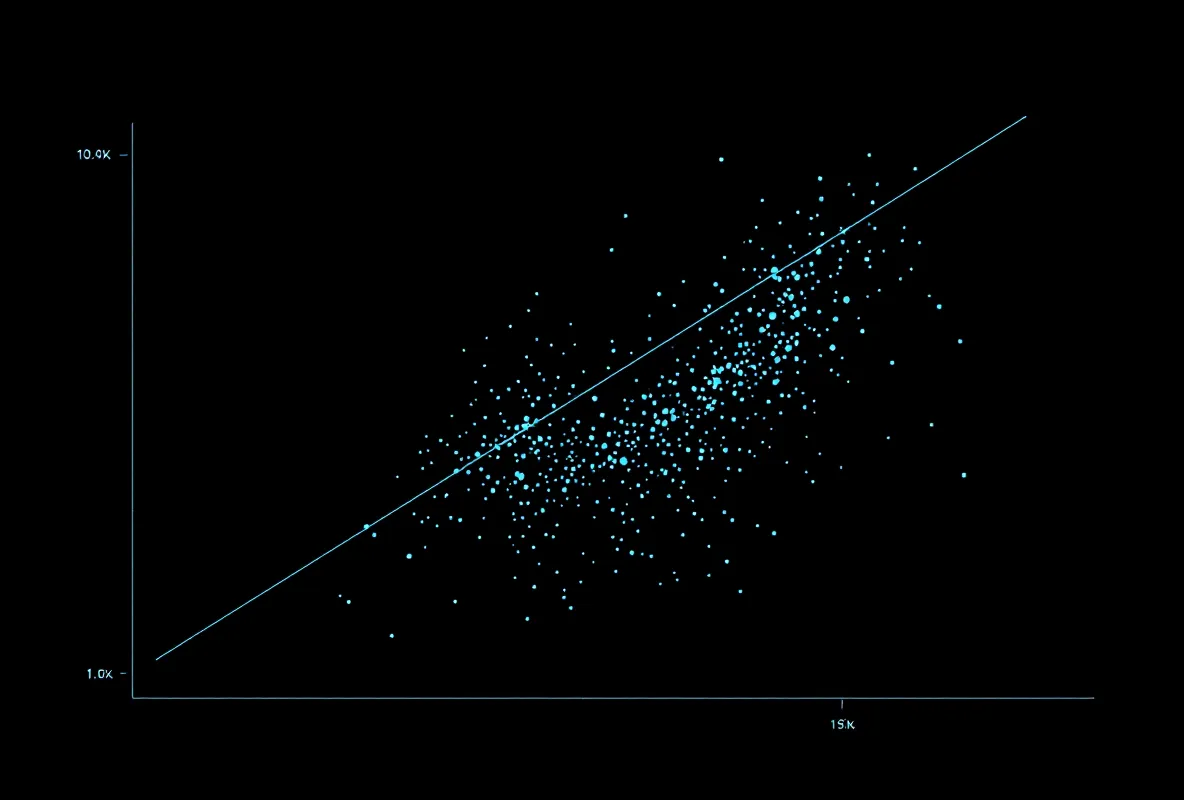
What did Phase 2 blood tests show in type 2 diabetes?
The Lancet reported the Phase 2 diabetes study in 2023, including weight and blood sugar findings [2]. Its 36-week follow-up covered weight and sugar changes and also checked stomach and bowel problems.
People receiving 12 milligrams had clearly lower longer-term sugar readings after 24 weeks. People given shots without retatrutide had very little change in that blood test.
After 36 weeks, average weight loss was 16.94%, compared with 3.00% with placebo. Gut trouble judged mild or moderate affected 35%; no deaths or severe low sugar were reported.
The blood test reflects sugar over roughly three months, beyond a single day's reading. The fall after 24 weeks meant better sugar control while people took part.
Retatrutide helps release insulin and helps the body use insulin to deal with sugar. Better readings don't yet show whether lasting illness will become less common for you.
How did liver fat change in Phase 2 volunteers?
Liver scans measured stored fat in people with fatty liver disease while their weight was also changing. Sanyal and colleagues reported the findings at 24 weeks in Nature Medicine in 2024 [5].
Liver fat fell by 82.4% with 12 milligrams, while placebo brought a 0.3% rise. Falls were 81.4% with 8 milligrams, 57.0% with 4 milligrams and 42.9% with 1 milligram.
After 24 weeks with 12 milligrams, 86% had liver fat in the normal range, below 5%. The fall lasted through 48 weeks, reaching 86.0% with 12 milligrams.
Researchers think the glucagon response helped the liver use its stored fat during treatment. A better scan doesn't prove a cure for your liver, even when the fat loss is large.
Did better pressure, fat and urine tests mean less illness?
A 2026 review brought together retatrutide findings on blood pressure, kidney tests, weight and blood sugar [12]. The top blood pressure reading fell during the Phase 2 weight study.
Average weight loss reached 24.2% at 48 weeks, and 63% lost at least 20% of their weight. The longer-term sugar test also improved in Phase 2 diabetes research.
A urine test suggested that less blood protein was leaking through the kidneys. The test allows for watery urine, but cannot establish lasting kidney protection for you.
A separate 2026 review found lower blood pressure with drugs acting on three hormone responses [14]. The findings covered several drugs together, with falls in both top and bottom readings.
Deaths from any cause were 18% less common across that group of drugs. A combined result doesn't establish the same benefit from retatrutide alone for you.
In 2025, another study found falls in proteins that slow fat leaving the blood [15]. Blood fats and harmful cholesterol also fell, suggesting those protein changes may help explain the improvement.
The changes appeared with 8 and 12 milligrams in type 2 diabetes and all amounts in obesity. Weight loss in people without diabetes was also linked with blood tests showing changes in fat burning [13].
A 2025 review combined 29 studies involving 37,348 people taking related drugs that affect hunger [7]. Across those drugs, researchers found fewer heart and blood-vessel problems, heart attacks, major heart problems and deaths.
Retatrutide stood out for improved blood fats, rather than a proven fall in heart attacks [7]. Its separate heart study remained unfinished, so those combined findings can't settle your questions about protection.
What lasting benefits must Phase 3 testing establish?
Phase 2 found large changes in weight and health tests, while lasting benefits remain unproven. Phase 2 can't establish fewer heart problems, slower kidney disease or weight staying off after stopping.
Larger Phase 3 studies follow people longer to check those benefits and possible harm. The fall on the scale is only part of what matters for your health.
Reviews in 2025 compared weight loss with surgery and mentioned early Phase 3 findings [8]. Those early weight findings aren't completed heart or kidney results, so they don't settle questions about lasting protection.
The main studies still need to provide final answers about benefits and harm over time. Retatrutide vs tirzepatide explains why separate earlier studies cannot establish which drug works better.